
Building Strong Minds: Bringing Mental Health Support to Special Olympics Vermont Athletes!
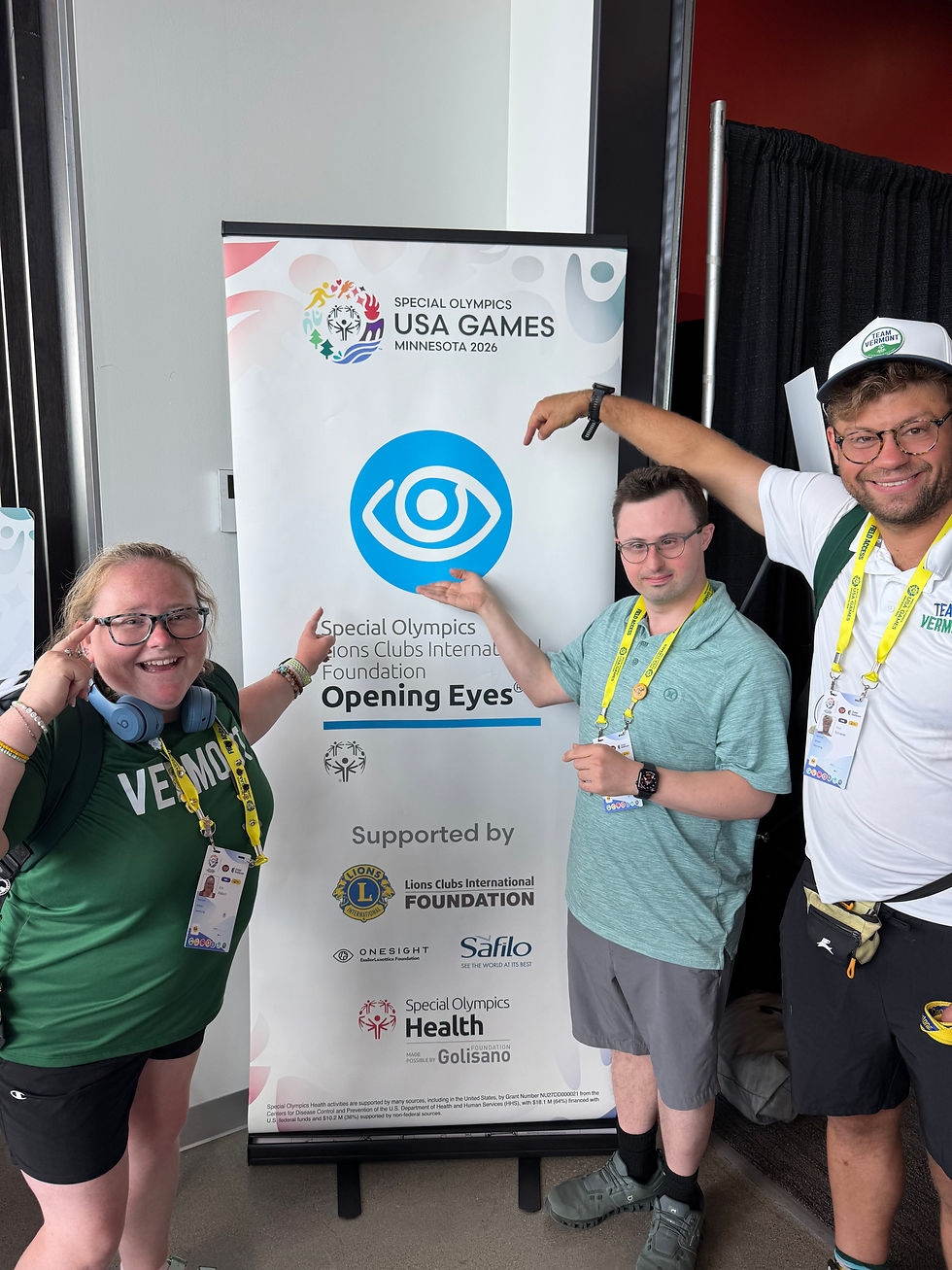
In recognition of World Mental Health Day on October 10th, Special Olympics Vermont is celebrating an important milestone: our first-ever Strong Minds screenings, held during the 2026 Fall Games on September 14th!
Just as physical health is an important part of an athlete’s overall well-being, so is mental health. Yet people with intellectual and developmental disabilities (IDD) can face significant barriers to accessing mental health care and support.
A 2026 study from Special Olympics Health found that adults with IDD were more than nine times as likely to report a diagnosis of anxiety and/or depression compared with adults without functional limitations. The study also found significant barriers to accessing needed mental health care, including cost and a lack of providers trained to provide IDD-informed care.
These findings highlight why making mental health education, screening, and support more accessible is so important.
What is Special Olympics Strong Minds?
Strong Minds is part of Special Olympics Healthy Athletes®, a health initiative designed to help athletes develop healthy skills and support their emotional well-being. The program provides opportunities for athletes to learn strategies for managing stress, connecting with others, and maintaining a healthy mind. Strong Minds also includes formal mental health screening designed to help identify athletes who may benefit from additional support or referrals.
For Special Olympics Vermont, bringing Strong Minds to our Fall Games was an exciting first step toward making these resources more accessible to athletes right here in Vermont.
At the 2026 Fall Games, 46 Special Olympics Vermont athletes participated in our first Strong Minds screenings.

This World Mental Health Day, we're proud to celebrate our athletes and this important first step toward more inclusive mental health care in Vermont.

It is wonderful to see programs like Strong Minds finally rolling out to support emotional well-being alongside physical training. Reading that forty-six athletes participated in those initial screenings during the Fall Games really puts into perspective how much these kinds of inclusive health initiatives have been needed. Tackling complex topics like emotional health and accessibility reminds me of how students sometimes juggle intricate coding logic when seeking out expert Ruby assignment help Australia to untangle stubborn bugs in their practical coursework. Making resources like stress-management strategies and proper mental health screenings more widely available is such a meaningful step forward, and I really hope to see programs like this expand further in the coming years.
People looking for government service information in Madhya Pradesh may find the Samagra Portal helpful for accessing relevant digital record facilities.
It is really encouraging to see initiatives like the Strong Minds screenings being introduced, especially with 46 athletes taking part during the recent Fall Games. Addressing emotional well-being alongside physical health makes complete sense, particularly given how much stress and anxiety can affect everyday performance. Balancing busy schedules often gets overwhelming, and whether someone is looking for help with software engineering assignment deadlines or simply trying to manage daily commitments, having proper coping strategies is essential. I wonder if there are plans to expand these health screenings to local regional events as well, so even more participants can access these emotional support resources on a regular basis?
It's really eye-opening to see how crucial programs like Strong Minds are becoming, especially with that statistic showing adults with intellectual disabilities are over nine times more likely to report anxiety or depression. Seeing 46 athletes participate in Vermont's first screening during the Fall Games is such a positive step forward. It actually reminded me of a human behaviour case study I was reading while looking up an anthropology assignment writing service for my uni course, which focused on how social connection and targeted community support directly impact long-term psychological resilience. It makes you wonder how quickly other regional chapters will be able to roll out similar initiatives to bridge these mental healthcare gaps.
The focus on Strong Minds shows how inclusive support can become part of an athlete’s overall experience, especially through accessible screening and stress-management strategies. The Fall Games setting also reminds me how community events can create welcoming spaces where people express themselves, whether through sport, team spirit, or Cute Costumes.